Thursday, June 26, 2014

Convenience food

There was once a time; when I didn't feel like cooking and we'd order a pizza. We didn't do it very often, but it was still the quickest form of convenience food I could think of. Now however, I have a new way to use an old piece of equipment to whip-up a quick meal. How old is that piece of equipment? Try as old as our marriage - it was a wedding present, over eleven years ago.


One pot to feed them all!


It's our very simple and cheap rice cooker. You basically follow the instructions of how to cook the rice (refer to manual) and then I just add my own leftovers of meat and vegetables. It can all cook within the hour, and takes under 5 minutes to throw in the pot.


Mix 'n match leftovers


We used our leftover roast the night before, in this particular meal. I also sliced half a leek to add and a handful of frozen beans. The jelly and fat leftover from the honey-mustard chicken went in there too.


Purchased from Aldi


Instead of run-of-the-mill white rice, I used a very yummy rice and grain blend which is gluten free. Throw it all together, flick a switch and dinner is cooking while I get on with other stuff. This tastes much better than pizza and uses leftovers in a way that tastes new and delicious. To save money on electricity, I even switch it off ten-minutes before its meant to be finished, and let it sit until the moisture is absorbed.

I'm glad I decided to try experimenting with our rice cooker, because I use it more often now. This is one wedding present that just kept on giving - apart from my wonderful husband, that is. ;)

Have you found a different use for your specialized kitchen equipment?


Tuesday, June 24, 2014

Incommunicado

The internet has been cut from our lives for three days recently. It's a long story, but basically it turned out to be a fried modem and too much money spent on getting the diagnosis. Our curious son also managed to dunk another wireless device into the cat's water, which was our second form of internet access. The wonder which is Murphy's Law, had a rollicking good time at our place recently.

It took some getting used to being internet free but now we have it back, I haven't been using it as much. Neither has David. I didn't think we were addicted to using the internet, but given the initial withdrawal symptoms and then relishing the time we spent together without internet in our lives, I guess we were addicted.

In our downtime recently, David got to finish cutting-up some branches and relocating them out of  the way....


Acacia branches


....and I got to re-organise my pots around the verandah again, giving some poor plants much needed morning sunlight. It should make this philodendron a little happier.


Philodendron 'imperial green'


I even got to plant some more vegetables in our small garden beds, which was something I really enjoyed. I'm imagining fresh cauliflower and french beans, along with the wom bok which went in a few weeks earlier.


French dwarf bean


We even got to contemplate building some wicking beds, which we have been entertaining for years. Given that we're removing a precious shade tree, we thought about how we can turn some wicking beds into some extended shade for the area too.

I'm getting around to catching up with all the regular blogs I read, but at a pace which is less net-centric. How do you think your life is effected by how much you use the internet?


Sunday, June 8, 2014

Gluten Free Pancakes

Can a pancake really taste just like an apple turnover pastry? In my world of experimenting with Gluten Free baking, I've found a wonderful combination which does it's best to try. It was a serendipitous accident frankly, as I was looking for a gluten free donut recipe.

The one I found, worked brilliantly, but it was rather too fiddly for the few donuts baked. I thought eighteen would be plenty, but I underestimated how far they'd go for four people! It's a brilliant tasting donut recipe though, I just wanted a simpler way to use it. I also didn't want to use some of the ingredients. I'll put the pancake recipe down below, but first, the apple turnover bit!


Cook your pancakes as you would normally on a hot skillet. We like to use them when they're freshly cooked and slightly warm, but there are plenty left over to stick in the fridge and reheat in the microwave or oven, the next day.


Next, put some cooked and chilled diced apple down. Spread it around. I haven't used too much because of how I'm going to roll the pancake at the end. You can make your own apple filling or buy it in a can, but be sure to add a little sugar and cinnamon for sweetening and flavour. Don't go overboard with the cinnamon though.


Whip some cream and add a dollop to the pancake. Again, don't use too much or it will come out the pancake when rolled. When whipping the cream I add a little icing sugar, which I make from processing white sugar. Most store bought icing "mixtures" contain gluten fillers, so steer clear of them.


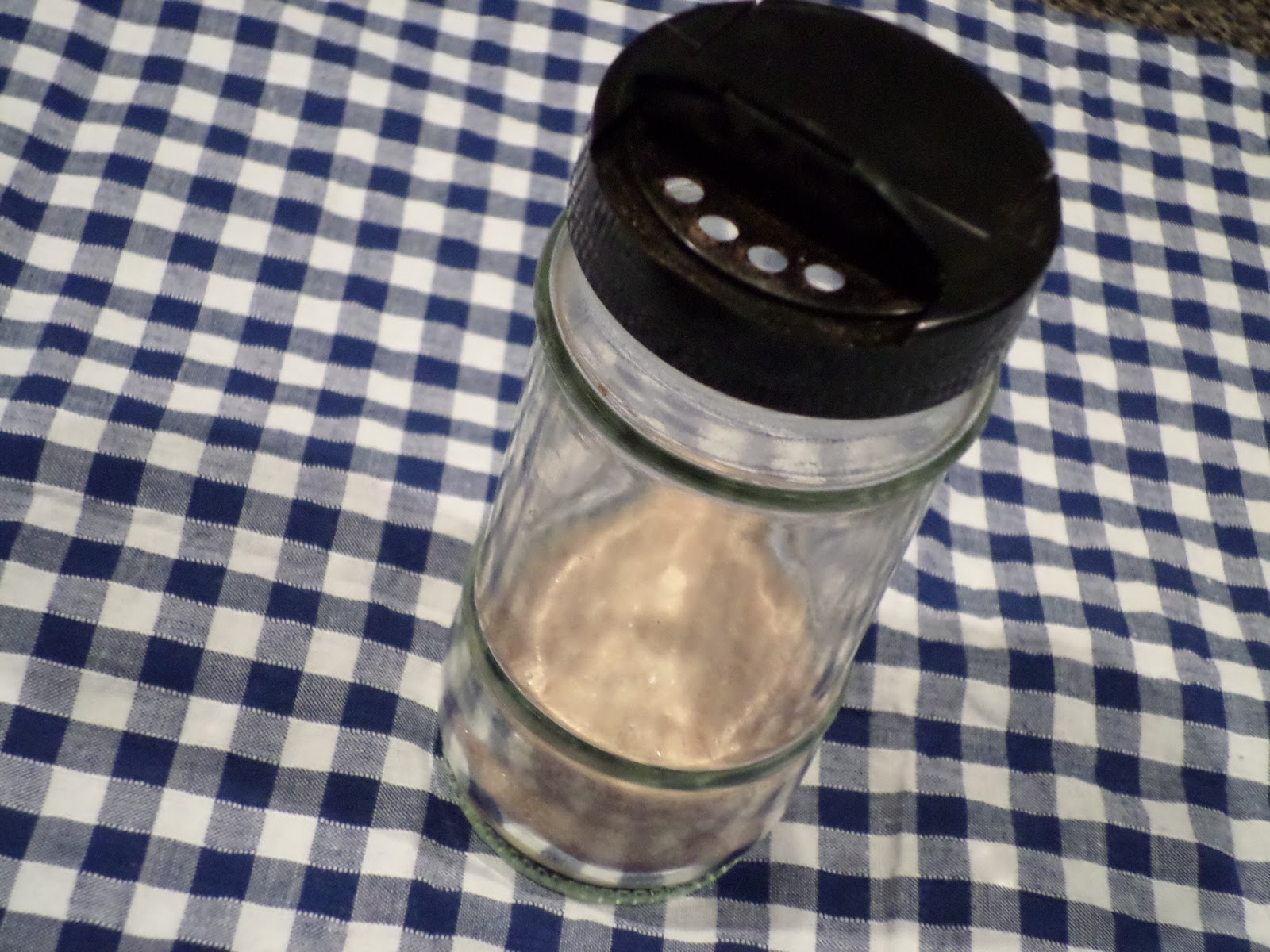
Spread the cream around the pancake, then you want to sprinkle it with some cinnamon sugar. This is what gives the texture of the pancake, that subtle pastry crunch of an apple turnover. You just need a sprinkling of cinnamon sugar from a dispenser.


I make my own cinnamon sugar from quality ground cinnamon. Most supermarket cinnamon doesn't even come from the cinnamon plant, but a cheaper substitute plant. I sourced my cinnamon from a bulk supplier of natural ground cinnamon and I can't go back to the supermarket stuff. It's lasted me years and still smells like real cinnamon.

I reuse an old spice jar with a dispenser lid, by combining white sugar and ground cinnamon, then shaking together.


The last step to complete, is simply rolling the pancake up. When eaten, it will taste ever so much like an apple turnover. If you want more filling, don't roll the pancake and just layer the apple, cream and cinnamon sugar on top of the flat pancake. Eat it with a knife and fork. I ate it both ways, and they both tasted incredible. I liked the flat way best, but by rolling the pancakes it made the fillings go further and is probably better for the waistline!

This is a once in a while treat, when we've been working hard in the yard.

Time for the pancake recipe. Bear in mind to use your own judgement with quantities. I've used a rough approximate for the list of ingredients, but you'll need to add what liquid to flour ratio, gives the correct consistency for pancake batter. I like my consistency easy to pour, but not water thin. I like to be able to pour it on the skillet, but use the back of a spoon to push the circle out a little further.


2 eggs
1-2 cups apple juice
1 teaspoon apple cider vinegar
1/2 cup to 1 cup gluten free flour
pinch of xantham gum if not already in the flour
1 tablespoon white sugar
1 teaspoon bicarbonate soda
pinch ground cinnamon
splash of vanilla essence


Mix all together in a one litre pouring jug. I use a stick blender with blending attachment, because its better at mixing in a jug without spilling over the sides. Cook on the skillet until golden brown on both sides. Stack on a plate with a cover, until all the pancake batter is cooked.

If you don't want to use the xantham gum, I recommend adding extra eggs...1 or 2 depending what size the eggs are.

The bicarbonate soda and apple cider vinegar, make the pancake batter lighter and aerated as they react to one another. Try your own experimentation with fillings, with whatever you have around.


Thursday, June 5, 2014

Enter this way

I got this post idea from LindaM at Zone Zero who was brave enough to share an honest picture of the main entrance to their house. We've all had that kind of dilemma where the door to outside, becomes a collection point for everything we may need to use out there. I actually have several doors like that!

But the main doorway at the front of the house, was becoming a problem. I don't have photographs of what it used to look like, but I have pictures for today. Here is the first thing you see as you enter the front door.


This was given to me by my mum, when she was going through her stuff to downsize. It's not in the best condition (scratches, chips, etc) but it meets the need perfectly. It's a skinny piece of furniture, originally intended for a hallway, but it's used instead between two doorways (on either side) to the rest of the house.

It provides a place to leave some of our shoes so they won't clog up the entry, but its main purpose is for storage. All those little drawers are filled with stuff - some we use regularly, others not so much.


The main drawer holds some car keys, the pruners, watches, boot polishing brushes, and other assorted brick-a-brac. Generally speaking, small things which are used a lot, go in the main drawer. Once its closed, the bunched together mess is gone.


The smaller drawers are handy too. It's great to just pop my gardening gloves in here. They're close to outside and not left to sit on bench tops. My gardening gloves are one of those things I don't like to leave outside, in case any critters decide it would be a nice place to explore. Underneath the gloves though, are a bunch of miscellaneous items I keep - you  know, leftover pieces from furniture you've put together, that lonely hair clip your daughter lost the partner to - odds and sods which may come in handy one day.

The shoes though...oh, the shoes!!


My husband is quite the shoe hoarder. There is only one pair of Sarah's shoes on these shelves, and the rest are David's. Its a very simple system though - all his shoes are in one place and within convenient access to the front door. The only thing we haven't got is a bench-seat to sit on, but David makes do with a coffee table in the next room to put his shoes on.

This used to be the bane of my front door existence though. A mountain of shoes would build up so high, they would inevitably spill into the doorway. Thank you mum, for the free shoe shelves! They are so organised now and a great use of vertical space.

You can also see in the above picture, this is where we park the baby pram. It's an extra wide doorway, so we can park the pram there and still use the door to the lounge room.


I made sure to leave a little space between the shelves and wall, to put the umbrella and walking sticks. The walking sticks are just straight branches which have been collected in the yard. They're used very rarely, but occasionally outside.

What really helped with messy areas in the rest of the house however, was this simple gift I received on Christmas Day, from Dave.


It's a hat and coat rack - finally freeing the backs of our dining chairs, and the arms of lounge chairs to use as proper seats instead. David used to hunt around for where he left his coat, now its just a simple matter of hanging it in the one place. I had the same thing with Sarah's blue school jacket. We'd have to hunt for where she put it - the couch, the bathroom floor, her bedroom chair. Now it just lives on the coat rack until school holidays, and I hang it back up in her wardrobe.

We fit quite a bit in this very small entry space, and the doorway is almost always left clear now. I say almost, as a certain little person has decided he likes to clear the shoe shelves on a regular basis.

If you have a problem area in your house (or used to be) please write about it on your blog and leave a comment. I'd like to see how it was addressed, or will be, because there are so many different ways to organise our stuff. Cheap, ingenious ideas are always welcome.


Wednesday, May 28, 2014

Niche gardening

When something fails on a consistent basis, no matter how hard you try - it's time for a complete rethink. This is how I feel about garden beds for growing food. They may work in other places with reliable rainfall or money spent on irrigation, but I've never had much luck with them. Even when I've had a rare year of ideal rainfall, as soon as I'm needed elsewhere, everything bolts to seed or gets infested with overgrowth. For me, garden beds are too much work which I cannot always be available for.

I still keep some garden beds though, because I like the dedicated space for experimentation - but its not something I can keep going for long periods of time. It's not rare for them to become overgrown for over 12 months.

I finally realised recently, nature had been building inexpensive growing systems for millennia - I just had to change how I thought about growing my own food, and more importantly: where!

I have more to share about niche planting in my own garden (in another post) but for now, here is a video sharing the same exploits I've been applying in place of traditional growing areas.


Plays for around 15 minutes


I thought it was filled with some really good ideas, and ultimately utilising a resource which was already there - the forest. I don't think you have to actually own a forest to get something out of the video, but it follows the lines of what I was already thinking about niche gardening. Find a niche with whatever you already have growing naturally, and exploit it. The forest provides canopy and products to sell, but buildings can also provide canopy to be exploited, without having to erect anything new. It's just a matter of observing where on that building, it gets the most sunlight or the least, then decide what might grow best in those locations.

I wonder if pumpkin vines would do well, planted just underneath a raised house? So long as they weren't planted near stairs or any other access point to the house, the pumpkin vines could virtually be ignored until it was time for harvest. The coolness under the house would stop evaporation during summer. I wonder how well watermelon would do in those growing conditions too, as they seem to be particularly fussy about moisture? If I had a raised house, I'd be experimenting with what I could grow underneath it.

Our house is built on a concrete slab instead, so I grow stuff around it - utilising the micro climate of the concrete. Really, the possibilities are limitless though. I like the thought of utilising what's already there, and seeing what a humble little plant can do to transform that space.

If you have any magic growing areas outside the traditional garden bed, please do share.


Tuesday, May 27, 2014

A volunteer experiment

Home made compost is great, not only because it feeds the soil while taking care of organic waste, but it also creates volunteers. We obviously don't make our compost hot enough to kill seeds, and we'll even use it before everything has broken down completely - ergo, there are many opportunities for volunteer plants to take shoot.


Barrow


We've had pumpkins and tomatoes by the barrow full. Even the odd potato, which ironically did decide to volunteer in a "barrow" this year. Thus my experiment began for growing potatoes. By chance, another potato came up in a bed I topped with our compost, and it has since joined the barrow potato.


Potato volunteer


I've not had much luck growing things in wheelbarrows, but I'm not one for giving up after the first failure (or two) as I keep learning the more I experiment. Like some pumpkin seedlings which sprouted in another barrow. Rather than throw them all out, I tried transplanting some instead.


Kent pumpkin volunteers


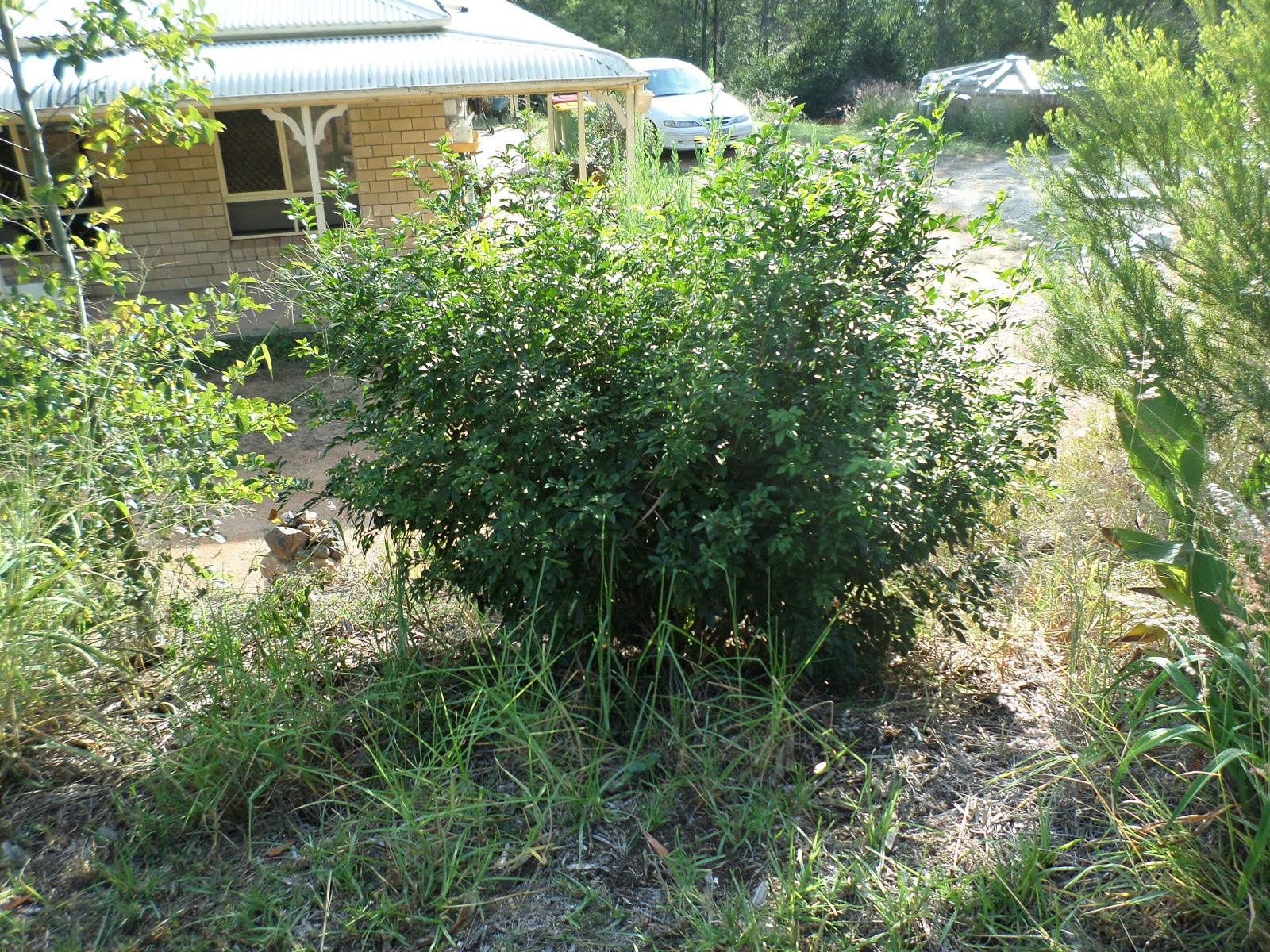
I took a group of three which came up together, and planted them behind a shrub. One has taken off, another is waning (the yellow leaf above) and the second may survive. My strategy to plant them behind a shrub, is finding a "niche" I've seen them develop in the wild as their tendrils search for places to root. They always take root in shady, moist places, which allows their tendrils and leafs to expand out into the sun for photosynthesis.


Nature's trellis


As you can see, the shrub has shade behind it, which is normal for this time of year. By using a semi mature shrub, I don't have to worry about the pumpkin vine shading it out or strangling it. I have other plants in the garden which are still young, which I have to constantly prune the pumpkin vines away from. I also won't remove the grass or weeds. It all counts towards cover and reducing evaporation. The cool of autumn doesn't evaporate so much, but it can still kill tender seedlings.

I had another single pumpkin I tried transplanting in a more exposed site, but it died within 48 hours. So it helps if you can plant groups of seedlings which volunteer together, as well as finding a semi-shaded site to move them to.

We've been experimenting a lot in the garden, based on what we observe volunteers doing. Next time you see something sprout from the compost, ask yourself - where can I put this in the garden which would mimic optimum growing conditions? It might be that shady side of the house where nothing ever grows. Try planting a pumpkin vine which can travel into the sunlight, and it won't get in the way. Most out-of-the-way places we avoid because of the terrain or reduced sunlight, isn't a problem for plants which can travel by tendril.

Even though I cannot really eat potatoes (avoiding the nightshades) the rest of my family still does. I also want to see if I can tolerate home grown ones. I found that out with dairy. Whenever I eat it, I develop a cough. The exception is when I eat raw milk. I'm hoping its the same with the humble spud!


Saturday, May 24, 2014

A Mother's Day surprise

I didn't have a cake on Mother's day, because who needs the calories right? Neither did I get any presents just for being a mum - I actually think being a mum is the present and I get to experience that a lot. But there was something 'afoot' on that particular day, and mainly on top of our roof.  I mentioned recently, David and I had some large financial decisions to make over Easter. On Mother's Day, we saw the realisation of those decisions...


Click to enlarge


It's a 5 kilowatt system, consisting of 20 solar panels. We just had enough room on our roof, with our existing solar hot water system (centre). The installers even had to move the tv antenna, so they could fit them all on the northern side.

Why such a big unit? We run a septic system 24/7 and a water pump for the house too. Plus we don't have a wood burner at the moment, so the house is heated via electricity during winter. Our bills during that time can be in excess of $800 per quarter.


Our anaerobic septic system


Of all the things we weighed to use our money for, solar was the only one which would reduce our expenditures consistently. We originally saved the money to buy a wood heater, but it would only reduce our expenditures during winter. We still intend to get a wood heater once we save the money again, but its a big outlay for such a small window of return.

The fact I'm talking about money when speaking about solar is I don't believe we deserve any credit for being environmentally minded. A grid connected solar system, depends entirely on the electricity network to operate. It does provide free energy from the sun, but this particular system relies entirely on fossil fuels to operate. In terms of sustainability, you really need a "stand-alone" solar system, which means the solar panels are connected to a battery bank, instead of the electricity grid.


Pineapple and sweet potato


Our main environmental challenge is the green we can produce in the landscape. It takes a lot longer to make a return in the garden, than one afternoon with tradespeople on the roof. People who mind their gardens or find ways to eat locally, contribute a greater effort to being environmentally friendly because its a daily commitment and generally uses more elbow grease than fossil fuels.

I've written about solar before, and I wouldn't say my views have changed a great deal. We only purchased panels recently, because the Queensland government decided to remove the generous subsidy they were giving households, putting solar energy back into the grid. That's why I made the appointment to speak to a solar company recently - I wanted to hear what solar would look like without the government subsidy.

Once I saw households would be paid "market value" for the excess energy they produced by their electricity supplier, I felt it was a more realistic system of exchange. I've written about what government subsidies can do to a household budget and the price of goods here and here. I intend to write a third and final post, in my series about Individualism. It was always going to be about solar, because that has been the latest government incentive to get households to change the way they do business.

Our hands aren't completely clean however, as we did receive some subsidy for installing the system, but I will discuss the details of that in my final post about Individualism.

In the meantime, the sun has decided to go into hiding. While I know our panels aren't producing as much power because of it, the garden really needs these gentle days of reprieve from the sun. It triggers so much growth and change that I cannot begrudge it's necessity.